
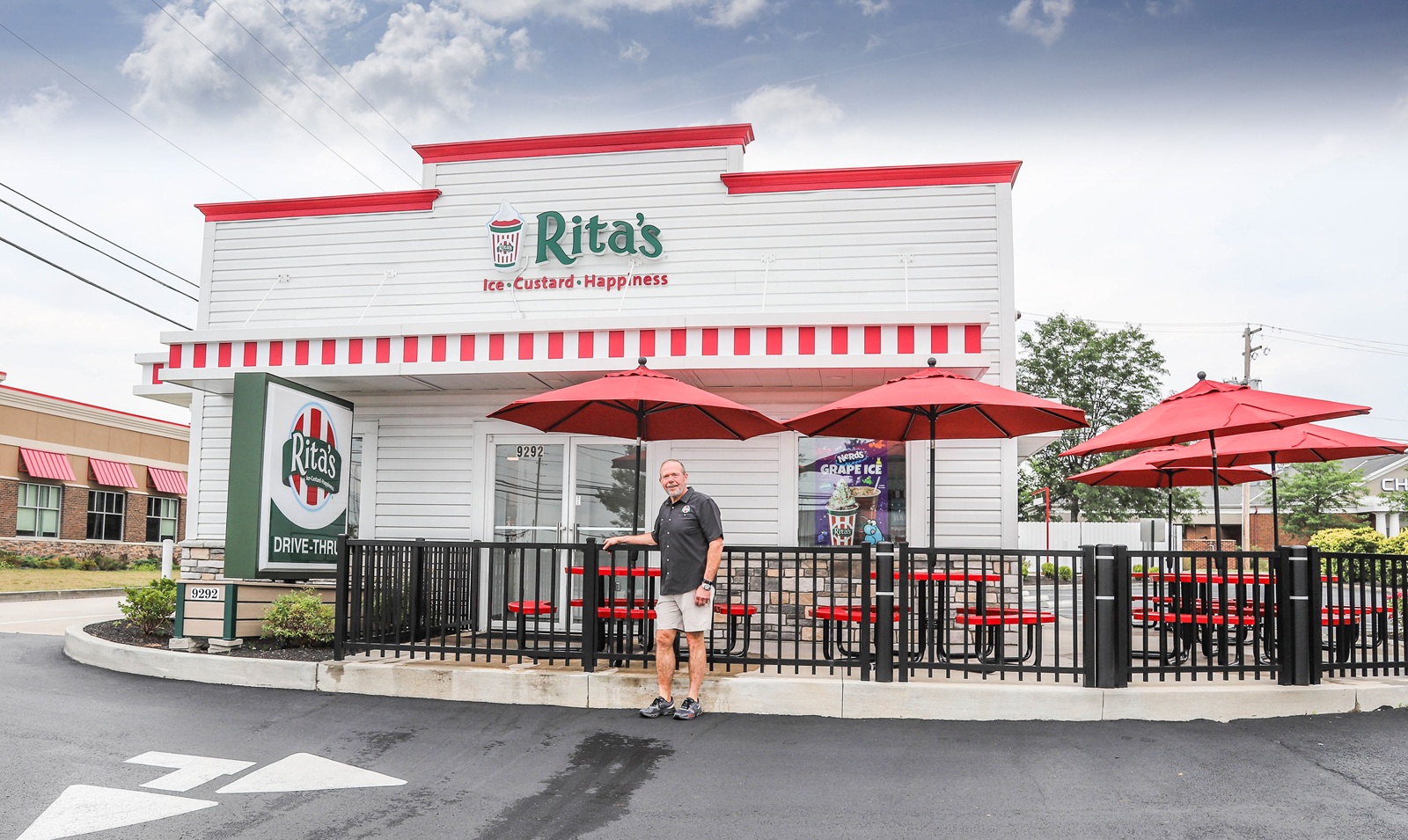
Opening your own business is exciting, but building a brand from scratch comes with steep learning curves and no name recognition. That’s why thousands of entrepreneurs choose franchising every year. If you’re wondering how to become a franchisee, you’ve come to the right place. As a franchisee, you gain a proven playbook and ongoing support from people who want you to succeed. This guide walks you through the steps involved and how the process looks in practice with a real brand example.
Key Takeaways
- Becoming a franchisee means buying the right to operate under an established brand’s name and systems, following a proven process rather than building from scratch.
- Every U.S. franchisor must give you a Franchise Disclosure Document (FDD) with 23 specific items at least 14 calendar days before you sign or pay anything.
- Costs vary by brand, so plan for an upfront franchise fee, a total investment range, and ongoing royalties. Confirm available capital and explore financing (often through an SBA 7(a) loan) options as early as possible.
- The path is repeatable: research brands, review the FDD and obtain legal and financial advice, attend Meet the Team Day, sign, complete training, develop the unit and open.
- Rita’s Italian Ice & Frozen Custard shows the model in practice with a two-product menu, no fryers or full kitchens, and disclosed financials you can study before you commit.
What Does It Mean to Become a Franchisee?
Becoming a franchisee means purchasing the right to operate a business under an established brand’s name, systems, and trademarks, in exchange for upfront fees and ongoing royalties. You follow the franchisor’s playbook rather than inventing your own, and you receive training, marketing support, and operational guidance in return.
This relationship differs sharply from starting an independent business. An independent owner has to build the brand, systems, supplier relationships, and customer base from scratch. A franchisee steps into a model that has a track record, with built-in brand recognition and tested processes.
Franchising is a significant force in the U.S. economy. According to IFA’s 2026 economic outlook, total franchise output is projected to exceed $921.4 billion in 2026, with employment reaching more than 8.9 million jobs across 845,000 total units. Those numbers reflect why so many entrepreneurs consider this path: you’re joining a business model with scale, structure, and momentum behind it.
Is Becoming a Franchisee Right for You?
Before you learn how to become a franchisee, take an honest look at your own situation. Not every entrepreneur is the right fit for franchising, and understanding that early saves you time, money, and frustration.
Start with capital. Most franchises require liquid capital ranging from tens of thousands to several hundred thousand dollars, plus the ability to finance the total investment. The key is knowing your range before you fall in love with a brand you can’t afford. Some franchise brands can actually make financing easier because they are on an approved franchisor list maintained by the Small Business Administration (SBA).
Next, consider your willingness to follow a system. Franchisors succeed by creating consistent customer experiences across locations. That means you’ll follow their recipes, operational standards, and marketing guidelines. If you value structure and proven systems, this model works in your favor.
Think about your desired level of involvement. Some franchise owners work in the business every day. Others take a semi-absentee approach, hiring managers while they oversee from a distance. Be clear about how you want to spend your time.
Finally, consider industry fit. Are you drawn to food service, fitness, home services, or education? Passion for the product helps you stay engaged through the challenges of year one and beyond.
How to Become a Franchisee: The Step-by-Step Process
The path from “interested” to “open for business” follows a predictable sequence. Timelines may vary by brand, but the steps themselves stay consistent. Here’s what the journey typically looks like:
Step 1: Research Brands and Assess Fit
Start by exploring your options. Franchise directories, brand websites, and industry publications can help you identify concepts in your budget. Look for brands with strong unit economics, solid training programs, great management teams and territories available in your market.
As you research, match each brand’s disclosed investment range to your financial situation. Shortlist two to four brands that fit your capital and lifestyle goals. This focused approach keeps you from getting overwhelmed.
Step 2: Make Contact and Review the FDD
Once you reach out to a franchisor, they’ll guide you through their qualification process. If you meet their criteria, they’ll send you a Franchise Disclosure Document, commonly called the FDD. This document is your most important tool for evaluating any franchise.
Under the FTC Franchise Rule, the FDD must contain 23 specific items of information about the franchise, its officers, and other franchisees and the franchisor must provide this document at least 14 calendar days before you sign any binding agreement or make any payment.
Pay special attention to Items 5, 6, and 7, which cover the franchise fee, ongoing royalties, the total initial investment range, and related expenses. Item 19, if provided, discloses financial performance data from existing locations.
Step 3: Get Legal and Financial Advice
The FDD is a legally required disclosure document, and the franchise agreement is a binding contract. Before you commit, hire a franchise attorney to review the terms. They’ll flag anything unusual and explain your obligations.
Bring in an accountant as well. Have them review the numbers in Item 19 and help you build realistic projections for your market.
Finally, talk to existing franchisees. All existing franchisees are listed in the FDD. Call several and ask about their experience and whether they’d do it again.
Step 4: Attend the Meet the Team Day or Discovery Day and Validate
Meet the Team Day is your chance to meet the franchisor’s leadership team, tour their headquarters or a flagship location, and ask questions face to face. Treat it as a mutual interview: they’re evaluating whether you’re the right fit, and you’re evaluating whether their culture and systems match what they’ve promised.
Before you attend, prepare questions that go beyond the FDD. Ask about post-opening support, how they handle underperforming locations, and what differentiates their top operators. After Meet the Team Day, circle back to any franchisees you haven’t yet contacted.
Step 5: Confirm Available Capital
Most franchisees don’t pay cash for their entire investment. Common funding sources include personal savings, bank loans, SBA-backed loans, retirement account rollovers (sometimes called ROBS plans), and franchisor financing where offered. Confirming available capital is essential to securing financing, as most lenders require 10–30% of equity investment.
Step 6: Site Selection
Once you’ve completed your due diligence and both parties agree to move forward, you’ll sign the franchise agreement. This contract locks in your territory, your fees, and your obligations.
After signing the franchise agreement, you’ll search for a site for your Rita’s franchise. Site selection is among the most important factors for determining franchise success. Rita’s offers consultation and guidance when evaluating markets and locations that fit the brand, but does not dictate placement. Compare that to other franchises, who often determine location and site without much choice.
Once senior leadership approves your choice of site and you’ve signed a lease or purchase agreement, you can move forward with financing.
Step 7: Apply for Financing
The next step is to secure any necessary further financing. The SBA 7(a) loan program is one of the most popular options for franchise financing. According to SBA 7(a) loan terms, most 7(a) loans have a maximum loan amount of $5 million, and the SBA guarantees up to 85% of loans of $150,000 or less and up to 75% of larger loans. That government backing makes lenders more willing to approve franchise deals.For SBA loans you should carefully review and understand your legal obligations including personal guarantees and collateral.
Step 8: Site Development
With financing in hand, it’s time to design, permit, and begin building your location. This step involves several different conversations with conceptual designers, project managers, and construction companies. You’ll also meet with and begin conversations with vendors for both equipment and signage. As your location continues to develop, IT infrastructure will be put in place.
Step 9: Training
Next comes training. Four to six weeks before you open the doors at your location, you’ll need to to complete a robust training program covering operations, marketing, hiring, and customer service. This intensive learning program, Cool University, equips you with everything you need to begin managing your RIta’s shop.
Step 10: Opening Your Site
It’s finally time to open your doors. Expect the first year to focus on building a customer base and learning what works in your specific market. The groundwork you lay in year one sets the stage for long-term growth.
How Much Does It Cost to Become a Franchisee?
Franchise costs fall into four main buckets: the upfront franchise fee, the total initial investment, ongoing royalties, and marketing fees.
The franchise fee is a payment you make when you sign the franchise agreement for each unit opened. The median initial franchise fee is $40,500 across 829 franchise brands, according to Frandera’s 2025 FDD analysis. The amount varies by brand and is disclosed in Item 5 of the FDD, giving you the right to use the franchisor’s trademarks, systems, and support.
The total initial investment includes the franchise fee plus build-out costs, equipment, signage, inventory, working capital, and related opening expenses. This figure varies widely: a home-based service franchise might require $50,000 total, while a full-service restaurant could exceed $1 million. Every FDD discloses this range in Item 7.
Ongoing fees typically include a royalty (a percentage of gross sales paid to the franchisor) and a marketing fee that funds national or regional campaigns. According to Frandera, a franchise data platform that analyzes FDD filings, the median royalty for food and beverage franchises is 6.0% of gross sales. Each franchisor sets its own rate, disclosed in Item 6 of the FDD.
Becoming a Rita’s Franchisee: The Model in Practice
General guidance on how to become a franchisee only goes so far. To see how this process works in the real world, consider Rita’s Italian Ice & Frozen Custard: a Rita’s franchise opportunity with over 600 locations and more than 40 years of history.
Rita’s operates in a category with strong consumer demand. As of June 2026, U.S. dairy production data shows 17,708,000 gallons of frozen dessert were produced in that year alone. Lowfat ice cream production has increased as much as 3.7% year over year.
A Simple, Two-Product Model
Rita’s menu is built on two signature products: Italian Ice and Frozen Custard. These combine into an entire lineup of frozen creations, from Gelatis to Blendinis, without requiring complex kitchen equipment. Rita’s shops have no fryers and no full kitchens. That translates to lower operational complexity, and easier staffing.
This simplicity also shows up in the numbers. System-wide cost of goods sold (covering food, paper, and fuel surcharges) averages about 17.3% of sales.1 That’s just one of many reasons why owning a Rita’s makes sense if you’re looking for a concept designed around efficiency and cost control.
What It Costs to Open a Rita’s
Rita’s discloses its investment figures clearly in Item 7 of the FDD called “Estimated Initial Investment”. The franchise fee for each location is up to $35,000.2 Total initial investment ranges from from $456,858 to $915,536 for a shop with a drive-thru and $315,233 to $712,542 for a Standard Shop without, and 3 The ongoing royalty is 6.5% of gross sales.4
What a Rita’s Might Do in Sales
For context on sales, Rita’s non-drive-thru shops averaged $366,957 in gross sales during the 2025 season, while drive-thru shops averaged $508,897.5 These disclosed figures let you build projections before you commit..
Steps to Ownership and Support
Rita’s follows a guided process from first conversation to signing. Rita’s franchising process includes an introductory call, a questionnaire, FDD review, a market plan discussion, a leadership team call, a background check, a Meet the Team Day meeting (Executive Team / CEO Meetings), and finally signing the agreement.
Once you’re in the system, you receive training and ongoing support designed to help you operate consistently. From site selection to grand opening marketing, Rita’s provides resources that let you focus on building your local business.
Looking for a location? Check available Rita’s territories to see where the brand is growing.
Ready to Share the Joy?
Becoming a franchisee gives you a proven path to business ownership, and the frozen dessert category offers strong consumer demand and the chance to bring smiles to your community. Rita’s Italian Ice & Frozen Custard combines over 40 years of brand recognition with a simple model, transparent financials, and dedicated franchisee support.
If you’re ready to take the first step, explore the Rita’s franchise opportunity and request more information. Your intro call is just the beginning of a sweeter future.
Frequently Asked Questions
For more detailed answers, visit the Rita’s franchising FAQs page.
How hard is it to become a franchisee?
The process requires time, capital, and due diligence, but it follows a predictable sequence that thousands of people complete every year. The biggest hurdle is usually financing and finding the right brand fit for your goals.
How much does it cost to buy into a franchise?
Costs vary widely by brand. Expect to pay an upfront franchise fee plus a total initial investment that covers build-out, equipment, inventory, and working capital, all disclosed in the FDD’s Item 5 and Item 7.
Do franchisees make good money?
Earnings depend on the brand, the market, owner involvement, local competition, and operational execution. Review the entire FDD for the information you need to build your pro forma financials and determine if the brand is right for you..
How involved does a franchisee need to be day to day?
It depends on the brand and your ownership model. Some franchisees work in the business daily, while others hire managers and take a semi-absentee role. Clarify expectations with the franchisor before signing.
What training and support do franchisors provide?
Most franchisors offer initial training covering operations, marketing, and management, followed by ongoing support that may include field visits, marketing resources, technology updates, and access to a franchisee network.
1: Rita’s Italian Ice & Frozen Custard, 2026 Franchise Disclosure Document, Item 19
2: Rita’s Italian Ice & Frozen Custard, 2026 Franchise Disclosure Document, Item 5
3: Rita’s Italian Ice & Frozen Custard, 2026 Franchise Disclosure Document, Item 7
4: Rita’s Italian Ice & Frozen Custard, 2026 Franchise Disclosure Document, Item 6
5: Rita’s Italian Ice & Frozen Custard, 2026 Franchise Disclosure Document, Item 19